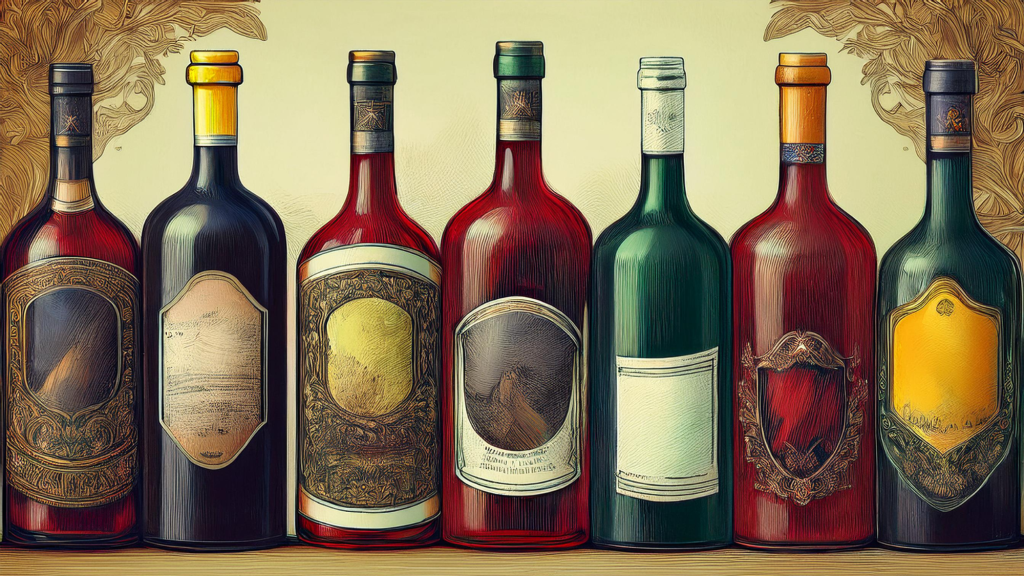
Nights are getting colder, days are getting grimmer, Harrods has already opened its Christmas shop and that means it’s the perfect season to start thinking about Port.
Historically popular around the world (and especially in the UK), Port has slightly fallen out of fashion in recent years due to its big, rich, and seemingly excessive nature. But as Gen Z fashion teaches us, everything in this world is cyclical, so I’m predicting an upcoming Port and Sherry revival. Here is everything you need to know to make sense of this rather complicated category.
Port Basics
- Port is produced in Portugal. Grapes are grown on the incredibly steep sunlit terraces of the Douro valley. Wines are aged in Vila Nova de Gaia, across the river from Porto, making a fantastic place for a wine-tasting trip.
- Port is made from a mix of local grape varieties that you likely never heard off: Touriga Nacional, Touriga France, Tinta Barroca, Tinto Cão, Tinta Roriz, and 75 others. Just in case this comes up in a pub quiz.
- Port is always fortified (to ~20% ABV) and almost always sweet. Port is typically red, but can also be produced in white, and rosé styles.
When you want a cool & refreshing aperitif: White Port
Made from white grape varieties, White Port can be produced in styles ranging from sweet to extra dry. White Port typically leads with delicate floral and tropical fruit notes. It’s at it best when served chilled over ice or Portuguese style with a tonic.
When you’re not that fussed (or are on a budget): Ruby/Reserve Port
Ruby and Reserve Ports are the young bucks of the Port hierarchy. They spends 3 years aging in stainless steel or oak barrels, which in the world of Port is child’s play. The relatively short aging process allows the wines to keep their vibrant, youthful, and fruit-driven character, bursting with red and black fruit character (think raspberry, blackberry, bramble). Drink these at room temperature (or slightly chilled in hot weather).
When you want to taste raisins, nuts, and exotic spices: Tawny Port (or Colheita)
Tawny Port is aged in oak barrels in a slightly oxidative way, which gives it a light rusty colour and evolves its flavour profile towards dried fruits, nuts, caramel, and cloves. This Port is often aged for a long time, coming in 10, 20, 30, 40+ Years Old categories, where the aromas above become even more pronounced. Enjoy these wines chilled, both as an aperitif and at the end of a meal.
Tip: School of Port advises that true pros drink 20 Years Old Tawnies, as they show enough character from aging, but don’t break the budget.
When you want to taste intense fruit with a chocolaty finish: Late Bottled Vintage (LBV) or Vintage Port
Vintage Port sits at the top of the Port category and is considered by many (Brits) to be the best that there is. In that context Late Bottle Vintage (LBV) can be seen as Vintage Port’s cool shabby chic cousin (I mean c’mon, its name is an abbreviation!).
Both LBV and Vintage are produced from the best vineyards and share a powerful fruit-led character and aroma. Imagine a velvety wave or cherry, raspberry, and chocolate. LBVs spend more time aging in oak, which results in softer tannins, that make them smoother and more approachable. Vintage Port is produced in only the best years (which by definition makes it rarer) and can should age in a bottle for a very very long time (think 15+ years). Both styles should be served slightly below room temperature. Vintage Port should always be decanted.
Another reason to love both LBV and Vintage Port is that it produces decadent food pairings that make for a memorable finish to any meal. Whether you pair it with a strong cheese (blue cheeses or a strong Cheddar) or with dark chocolate (70% cocoa recommended), your taste buds will thank you.
I hope this helps you makes sense of the complicated world of Port and encourages you to give one (or more) styles a go!
For more information and tips I highly recommend checking out the School of Port.


 Wine.Musings
Leave a comment