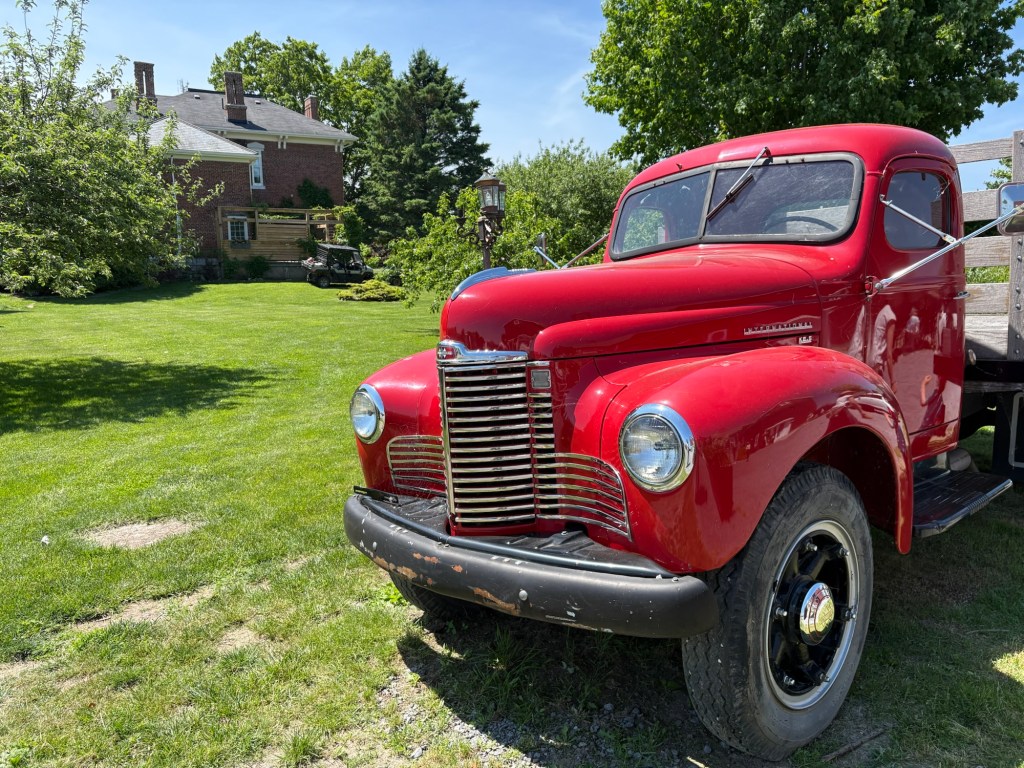
Growing wine grapes on the north shore of Lake Ontario shouldn’t work. The winters are brutal, the growing season short, and yet Prince Edward County has become one of Ontario’s most exciting new wine regions. Its Chardonnays and Pinot Noirs are gaining international recognition, and as a fan of Niagara wines, I’m curious: what happens when you push even further north? So on a hot June day, my family and I hop in the car to find out.

Our first stop is Norman Hardie, one of the buzziest names of the area, touted by Richard Hemming MW, Wine Spectator, and the like. Driving up to the winery, we are surprised to discover a large-scale wine tasting operation: a restaurant, a bustling patio, a tasting bar, and private tasting huts. Several bachelorette parties can be heard across the land. It looks like PEC wine tasting may not be such a secret after all.
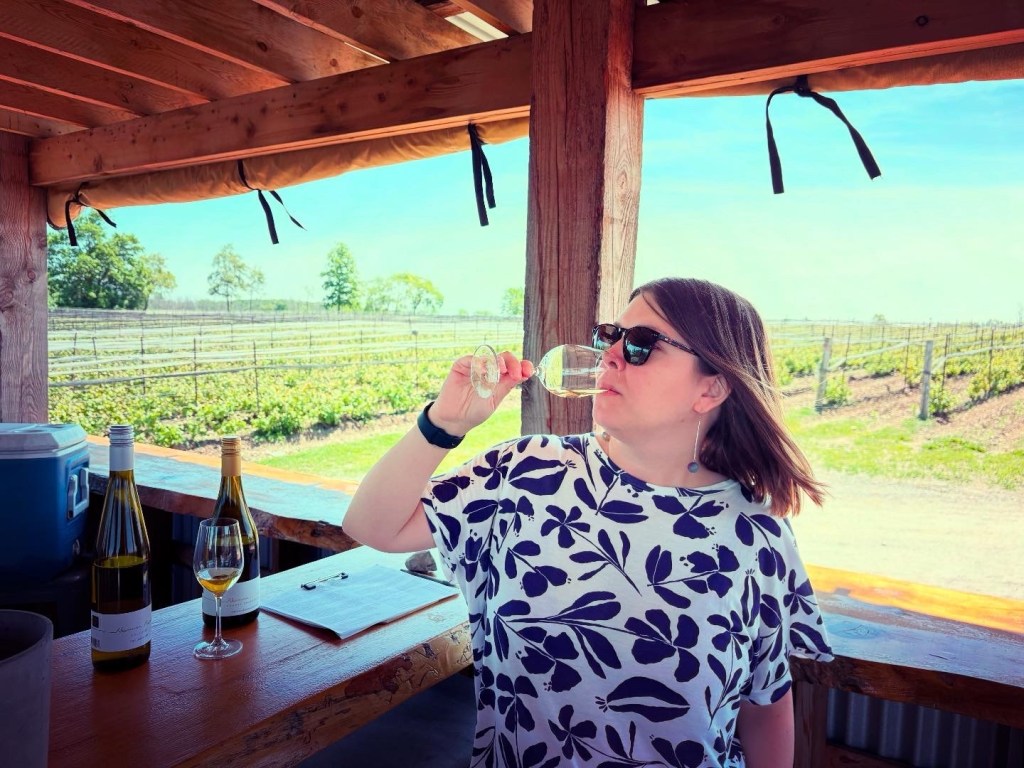

We perch at the outdoor tasting bar and make our tasting selection. First up, Calcaire (2022), a wine with attitude that perfectly reflects its terroir – cold climate and calcareous limestone. Very high acidity, green apples, apricots, minerality, a touch of breadiness. Gastronomic and precise (4/5).
Just as reflective of its place is the County Pinot Noir Unfiltered (2021). Super light, red-fruit driven (red currant, cherry, cranberry), stalky, acidic, but somehow quite smooth. Truly a northern wine, this Pinot differs from the reds of Niagara, which seem forceful and rich by comparison. A beautiful wine to enjoy chilled (4/5).
The PEC wine tasting area is fairly compact, so after a few minutes’ drive we find ourselves at Trail Estate Winery, which produces a diverse range of low intervention natural wines. A small tasting room and a peaceful empty patio are a welcome relief from the bustle of Norman Hardie.

Trail is particularly known for its sparkling, so I start with their Pét Nats. The Pét Nat White (2022) is fun and breezy – red apples, cider, and a slightly sour finish (3.9/5). Equally light, but more interesting is the Pét Nat Red (2023). Bright red currant, cranberry, cherry, with a touch of earthiness (4/5). Both wines are natural, so a bit rough around the edges. Both are perfect on a hot summer’s day.
Like any self-respecting natural winery, Trail is also experimenting with orange wines. The OG (2022) is a beginner’s orange wine. Clean, light, and approachable, it waltzes across your palate with notes of oolong, apricot, and cider (3.8/5). The more advanced orange, the Orng Skin Fermented White (2023), is more interesting than delicious. The dominant flavours are savoury – cheese, pickle brine, dill, yeast on a base of apples, cider, and orange peel. A challenging wine that certainly has its fans (4/5).
After Trail’s experimental approach, we were ready for something more polished. The last stop on our wine day trip is the biggest name of PEC, Closson Chase, which produces what many consider to be the best Ontario Chardonnay outside of Niagara. When we arrive, the distinctive purple barn, where the wine tasting rooms are located, is absolutely rammed, so we take the opportunity to grab a quick lunch at the restaurant next door, which overlooks Closson Chase vineyards.


Once we move to the tasting, it’s Chardonnay galore. The Vineyard Chardonnay (2023) opens with ripe red apples, bathed in buttery malolactic richness with a sour finish. Acidity is high, but manageable (4/5). The slightly heavier South Close Chardonnay (2023) is a bit empty on the mid palate, but offers a pleasant wave of apple, cream, vanilla, and baking spice (3.8/5). Finally, the Churchside Chardonnay (2021) demonstrated the full potential of Closson Chase wines. Perfectly balanced acidity highlights the white peach, pear, candied apple, and touch of minerality that runs through this cuvée (4.1/5). An apt closure to an excellent day of wine tasting.
Despite apparently being Ontario’s worst kept secret (as demonstrated by the numerous tour groups), Prince Edward County is more than just a place to enjoy wine on sunny patios. At its best, it’s a region that produces shining examples of cool climate Chardonnays and Pinot Noirs, where vintage, site, and microclimate variations make a significant difference to the expression of the fruit. Truly northern wine for the True North.
 Wine.Musings
Leave a comment